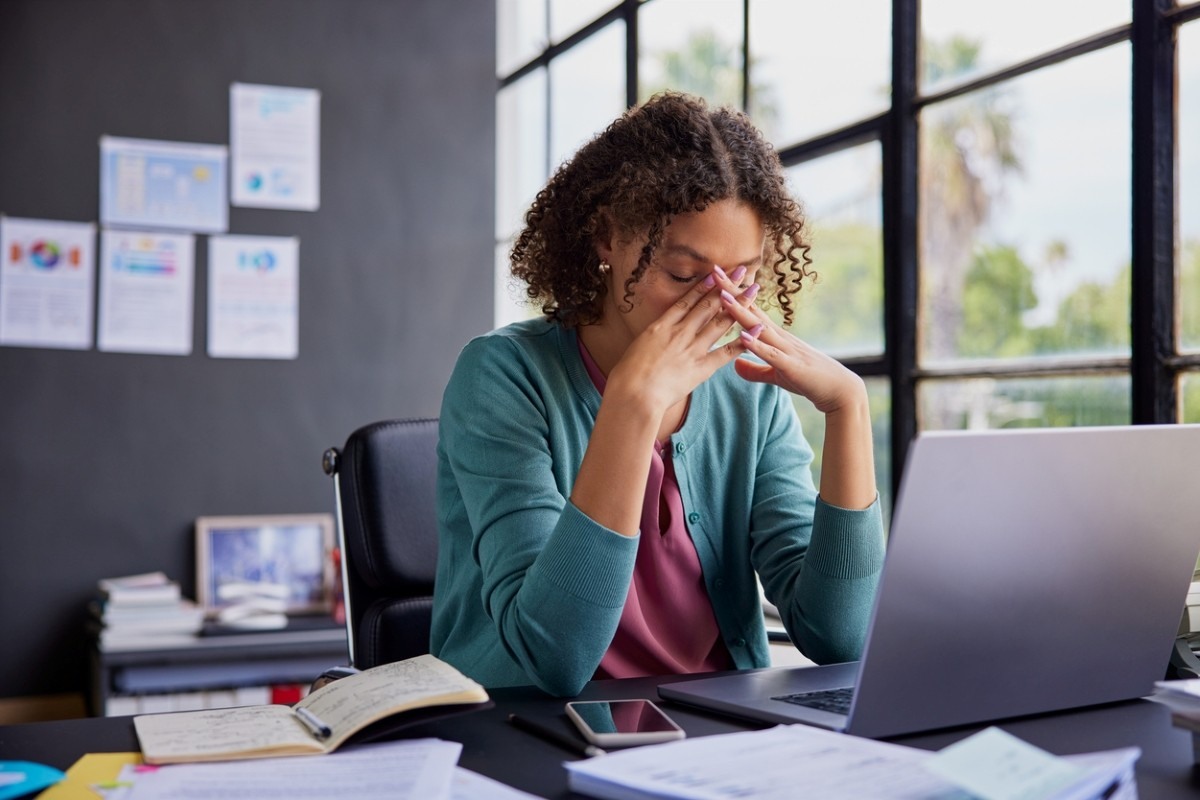


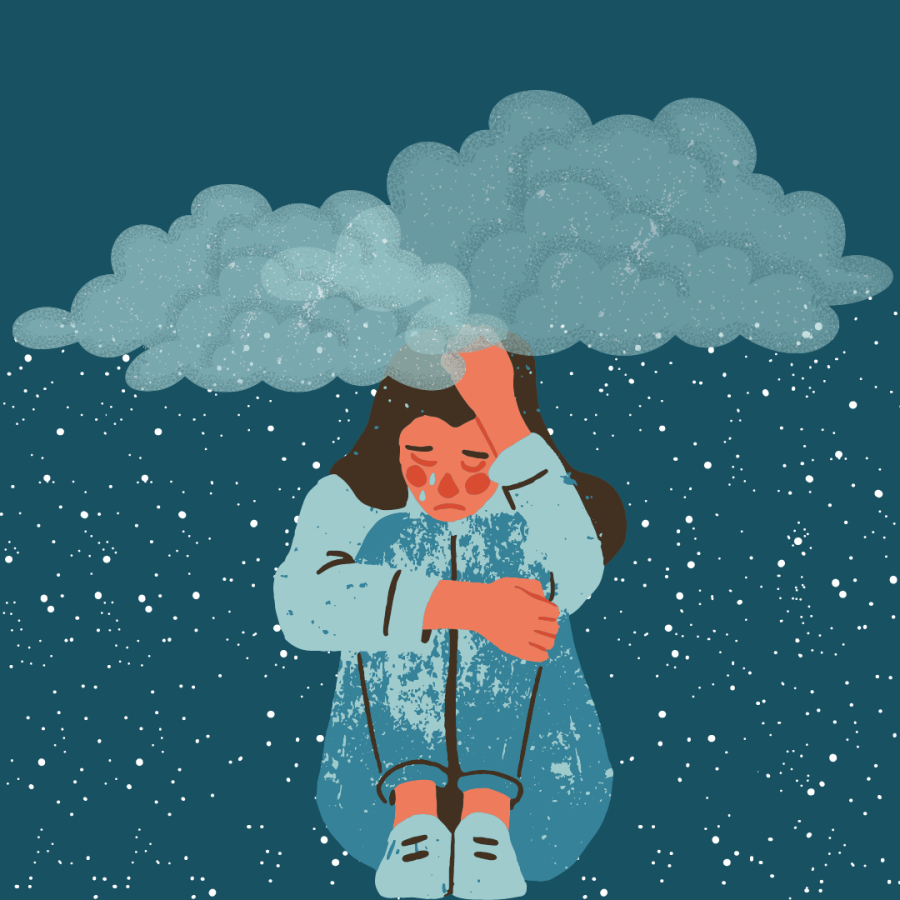
Seasonal depression and fall anxiety can make shorter days feel heavier than expected. You may notice lower energy, changes in sleep or appetite, difficulty concentrating, loss of interest, or worry that grows as routines and holidays shift. These symptoms are common, treatable, and worth discussing with a primary care doctor when they interfere with daily life.

Seasonal depression and fall anxiety: 7 warning signs
- Feeling sad, empty, irritable, or anxious most days.
- Sleeping much more or less than usual.
- Low energy that does not improve with rest.
- Losing interest in people or activities you normally enjoy.
- Changes in appetite, cravings, or weight.
- Difficulty focusing, making decisions, or completing ordinary tasks.
- Withdrawing from friends, family, work, or school.
A difficult day is not automatically a disorder. The pattern matters: how long symptoms last, whether they return in a particular season, and how much they affect relationships, work, sleep, and self-care.
Why mood can change in fall and winter
Seasonal affective disorder is a type of depression with a recurring seasonal pattern. Reduced daylight may affect the body clock, sleep, and brain chemicals involved in mood. Fall can also bring schedule changes, financial stress, grief, school pressures, and holiday expectations. The National Institute of Mental Health explains that diagnosis requires a careful review of symptoms and their timing.
When to talk to your primary care doctor
Book a visit when symptoms last about two weeks, keep returning, or make everyday responsibilities harder. You do not have to wait until the problem feels severe. Earlier support can prevent symptoms from disrupting sleep, work, relationships, and physical health.
Your doctor may ask about mood, sleep, stress, medical history, medications, alcohol or substance use, and previous seasonal patterns. Because fatigue and poor concentration can also be associated with thyroid problems, anemia, vitamin deficiencies, sleep disorders, or medication effects, a primary care evaluation helps look at the whole picture.
How seasonal depression and fall anxiety are treated
Treatment is individualized. It may include counseling, structured light therapy, medication, or a combination. Light therapy is not right for everyone, particularly people with certain eye conditions or medicines that increase light sensitivity, so ask a clinician how to use it safely. Your doctor can also connect you with a mental-health professional when specialized care would help.
Healthy steps that support—not replace—care
- Keep a consistent sleep and wake schedule.
- Spend time outdoors during daylight when possible.
- Move regularly with an activity you can sustain.
- Eat consistent meals and limit excess alcohol.
- Schedule connection instead of waiting to feel social.
- Track mood, sleep, and energy to identify patterns.
These habits can support recovery, but they are not a reason to delay professional help. If you have thoughts of harming yourself or feel in immediate danger, seek emergency help now.
What to bring to the appointment
Write down when symptoms began, what makes them better or worse, sleep changes, current medicines and supplements, and any family history of depression or bipolar disorder. A brief record makes the visit more useful and helps your clinician recommend the next step.
Start with primary care in Pasadena
Evolve Health Partners offers adult primary care that considers emotional and physical health together. An annual or problem-focused visit can help identify contributing medical issues and coordinate appropriate support. If seasonal depression and fall anxiety are affecting you, contact our Pasadena office to request an appointment.
If seasonal depression and fall anxiety are affecting your work, relationships, or sleep, you do not have to wait for the holidays to pass. Seasonal depression and fall anxiety are common, treatable concerns, and primary care is a practical first step toward feeling like yourself again.
Frequently asked questions
Can seasonal depression begin in the fall?
Yes. Symptoms commonly begin in fall or winter, although seasonal patterns vary. A clinician should rule out other causes.
Can anxiety get worse when seasons change?
Yes. Reduced daylight, schedule changes, holidays, and existing health concerns can intensify anxiety for some people.
Can my primary care doctor help?
Yes. Primary care can screen symptoms, check for medical contributors, discuss treatment, and coordinate specialty care.
This article is educational and does not replace individualized medical advice.