


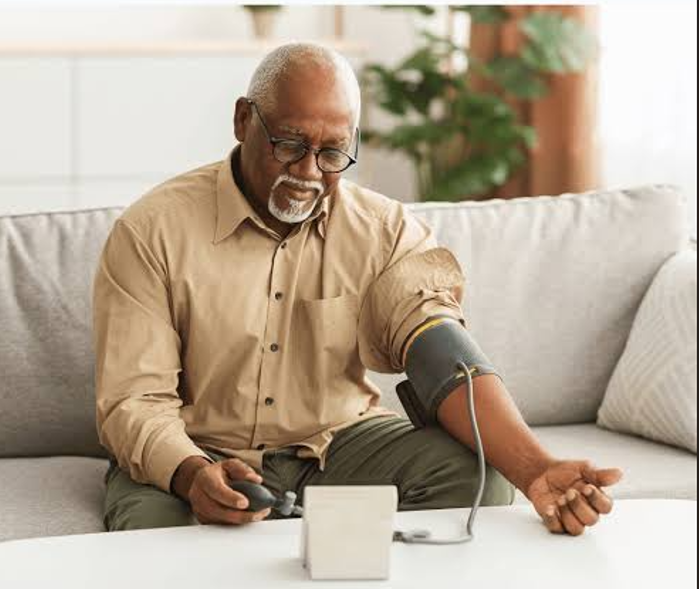
high blood pressure with no symptoms is a common concern for adults in Pasadena and throughout Anne Arundel County. The useful answer is rarely a one-size-fits-all checklist: your symptoms, age, medical history, medications, family history and personal risk factors all matter.
This guide explains what to consider, what to discuss with a primary care provider and when not to wait. It is educational and is not a diagnosis or a substitute for personalized medical care.
Why hypertension is called a silent condition
Most people with high blood pressure do not feel different. Headaches, dizziness or nosebleeds are not reliable screening tools. Measuring blood pressure is the only practical way to know whether it is elevated. The American Heart Association identifies normal adult blood pressure as below 120/80 mm Hg and recommends evaluation of persistently higher readings.
One unusual reading does not always establish a diagnosis. Stress, pain, caffeine, exercise, an incorrect cuff size and talking during the measurement can temporarily raise a result.
How high blood pressure is confirmed
A healthcare professional usually looks for repeated elevated readings and may ask for home or ambulatory monitoring. The U.S. Preventive Services Task Force recommends confirming an elevated office result with measurements outside the clinic before treatment is started, when appropriate.
- Sit quietly for about five minutes first
- Keep your back supported and feet flat on the floor
- Support the bare arm at heart level
- Use a validated upper-arm monitor and correct cuff size
- Avoid exercise, caffeine and smoking for about 30 minutes beforehand
- Take two readings about one minute apart and record them
Why finding it early matters
Over time, uncontrolled hypertension can damage blood vessels and increase the risk of heart attack, stroke, heart failure, kidney disease and vision problems. Primary care can help assess the overall risk, review medications and habits, check for related conditions and create a treatment plan.
When a blood-pressure reading is an emergency
If a reading is higher than 180/120 mm Hg, wait at least one minute and measure again. Call 911 when a repeated reading this high occurs with chest pain, shortness of breath, weakness, numbness, vision changes, difficulty speaking or other alarming symptoms. Without those symptoms, contact a healthcare professional promptly for instructions.
How primary care helps
A primary care visit connects today’s concern with your longer health history. At Evolve Health Partners, adult patients can receive preventive care, chronic-condition support, sick visits, medication management and appropriate lab orders or specialist referrals. Learn more about our primary care services.
When to seek urgent or emergency help
Call 911 or go to the nearest emergency department for chest pain, severe trouble breathing, signs of stroke, fainting, uncontrolled bleeding or another potentially life-threatening problem. If symptoms are concerning but not immediately life-threatening, call a healthcare professional for guidance.
Frequently asked questions
Can I have high blood pressure and feel completely healthy?
Yes. Most people have no noticeable symptoms, which is why regular measurement matters.
Can a smartwatch diagnose hypertension?
Consumer devices may offer useful trends, but diagnosis should rely on validated measurements and clinical evaluation.
How often should adults check blood pressure?
Frequency depends on age, previous readings and risk. Discuss an appropriate schedule with your clinician.
Schedule primary care in Pasadena, MD
If you have questions about high blood pressure with no symptoms, Evolve Health Partners can help you decide on appropriate next steps. We serve adults in Pasadena and surrounding Anne Arundel County communities, with same-day sick appointments available whenever possible. Contact Evolve Health Partners or call (443) 798-7778 to request an appointment.
Medical disclaimer: This article is for general education only. Recommendations vary by individual. Always discuss testing, diagnosis and treatment decisions with a qualified healthcare professional.
high blood pressure with no symptoms: what to discuss with your provider
Preparing for a visit can make the conversation more useful. Write down when the concern began, what makes it better or worse, medicines and supplements you take, relevant family history and the questions you want answered. A primary care clinician can review these details, examine you when appropriate and recommend only the screening or testing that fits your situation. If you are researching high blood pressure with no symptoms, remember that online information cannot replace an individualized assessment. Early conversations may clarify your options, reduce uncertainty and create a practical follow-up plan.

For additional evidence-based prevention information, review the CDC guidance on preventing chronic disease. Evolve Health Partners can help you apply general guidance to your personal health history.